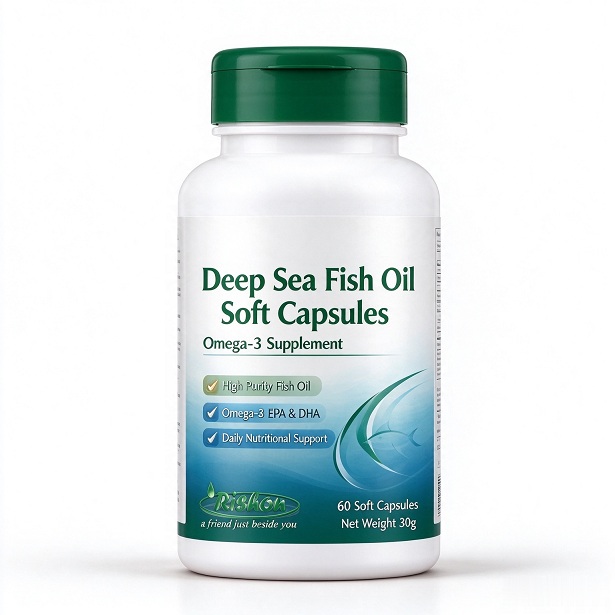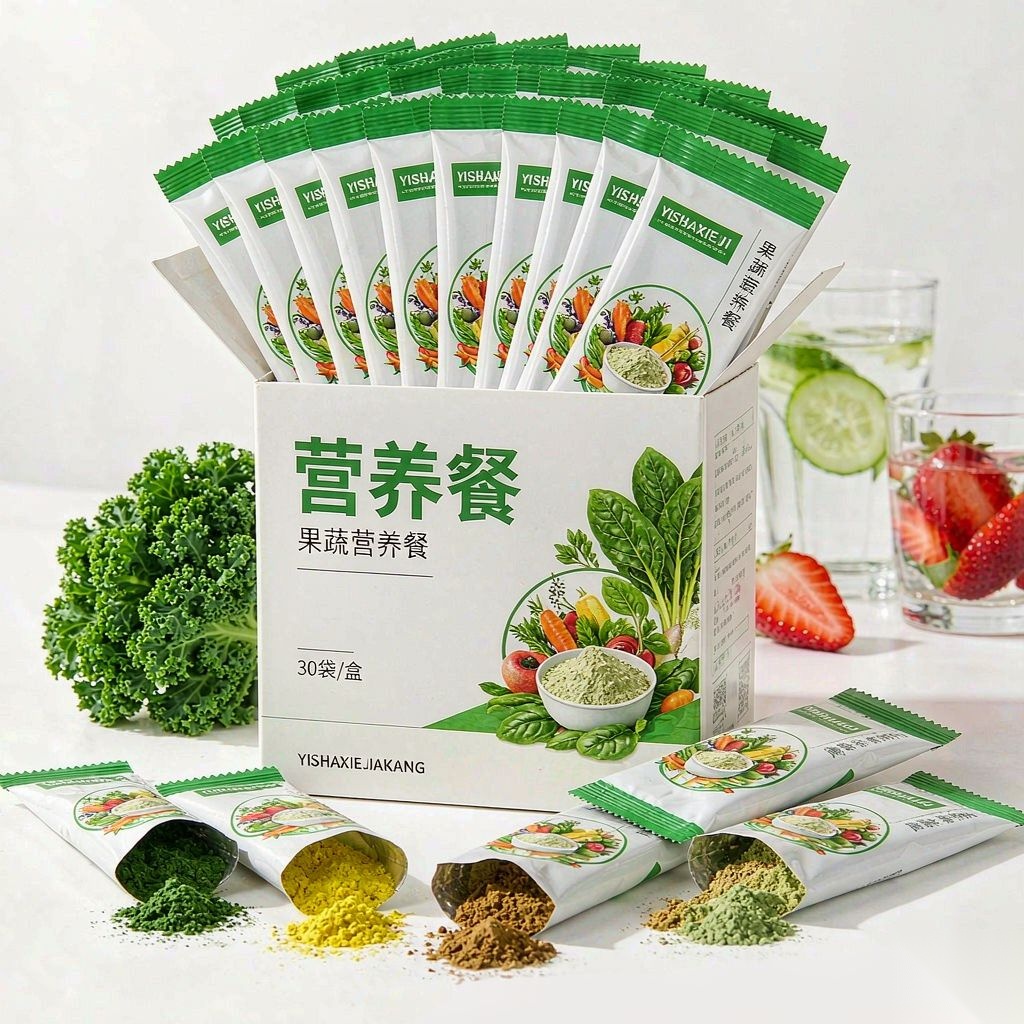
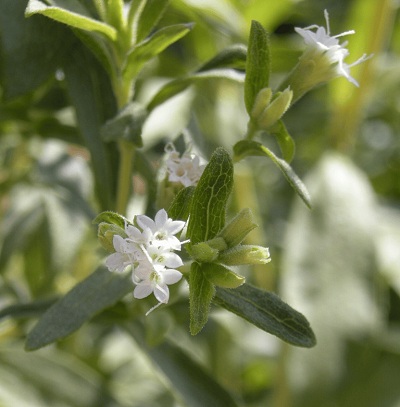
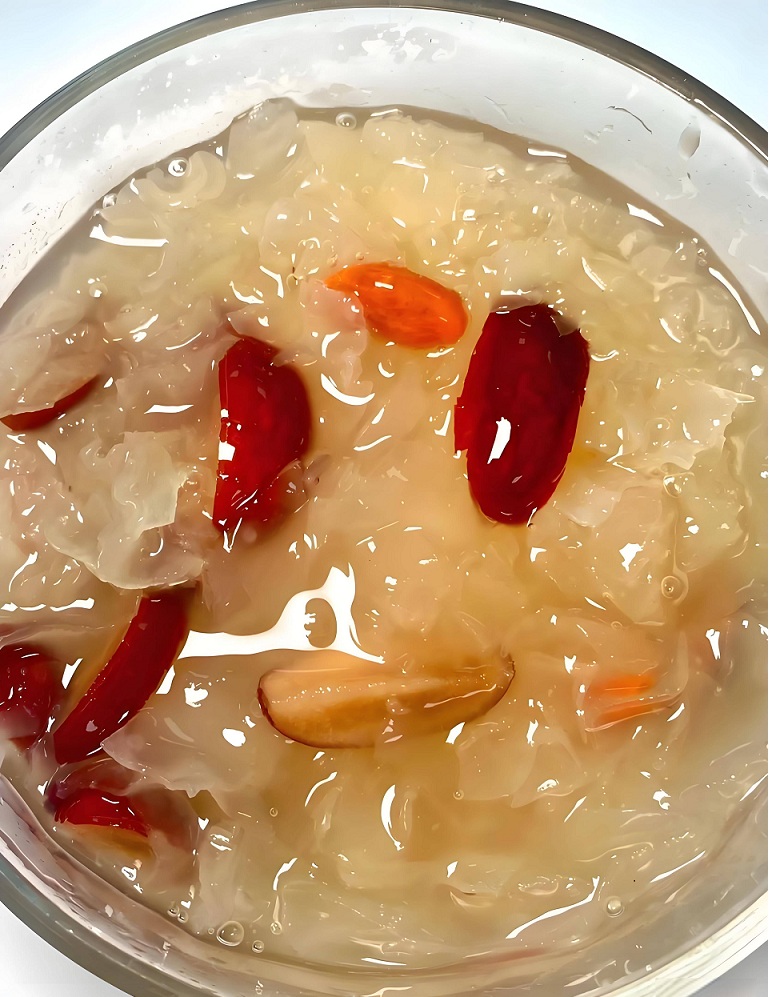


Tremella Mushroom is also called White Fungus, Silver Mushroom, it is rich of Polysaccharide as a special local product.
|
Appearance:
|
Fine Light-yellow Powder 80MESH
|
|
Processed Part:
|
Tremella mushroom Fruit Body
|
|
Shelf Life:
|
24Months
|
|
Moisture:
|
less than 8%
|
|
Protein:
|
6%
|
|
Fibre:
|
2.6%
|
|
Ash:
|
3.1%
|
|
Fat:
|
0.6%
|
|
Total Polysaccharide:
|
35%
|
|
As:
|
less than 1ppm
|
|
Cd:
|
less than 1ppm
|
|
Pb:
|
less than 2ppm
|
|
Hg:
|
less than 0.5ppm
|
|
Total Plate Count:
|
less than 3000CFU/gram
|
|
Total Mould:
|
less than 100CFU/gram
|
|
Total Coliform :
|
Negative
|
|
Active Mites:
|
Negative
|
|
Brand:
|
rishon
|
Tremella Mushroom is also called White Fungus, Silver Mushroom, it is rich of Polysaccharide as a special local product.
As you know, Docosahexaenoic acid (DHA) is essential for the growth and functional development of the brain in infants. DHA is also required for maintenance of normal brain function in adults.
The inclusion of plentiful DHA in the diet improves learning ability, whereas deficiencies of DHA are associated with deficits in learning. DHA is taken up by the brain in preference to other fatty acids. The turnover of DHA in the brain is very fast, more so than is generally realized. The visual acuity of healthy, full-term, formula-fed infants is increased when their formula includes DHA. During the last 50 years, many infants have been fed formula diets lacking DHA and other omega-3 fatty acids. DHA deficiencies are associated with foetal alcohol syndrome(FAS), attention deficit hyperactivity disorder, cystic fibrosis, phenylketonuria, unipolar depression, aggressive hostility, and adrenoleukodystrophy. Decreases in DHA in the brain are associated with cognitive decline during aging and with onset of sporadic Alzheimer disease.
The leading cause of death in western nations is cardiovascular disease. Epidemiological studies have shown a strong correlation between fish consumption and reduction in sudden death from myocardial infarction. The reduction is approximately 50% with 200 mg day(-1) of DHA from fish. DHA is the active component in fish. Not only does fish oil reduce triglycerides in the blood and decrease thrombosis, but it also prevents cardiac arrhythmias. The association of DHA deficiency with depression is the reason for the robust positive correlation between depression and myocardial infarction. Patients with cardiovascular disease or Type II diabetes are often advised to adopt a low-fat diet with a high proportion of carbohydrate. A study with women shows that this type of diet increases plasma triglycerides and the severity of Type II diabetes and coronary heart disease.
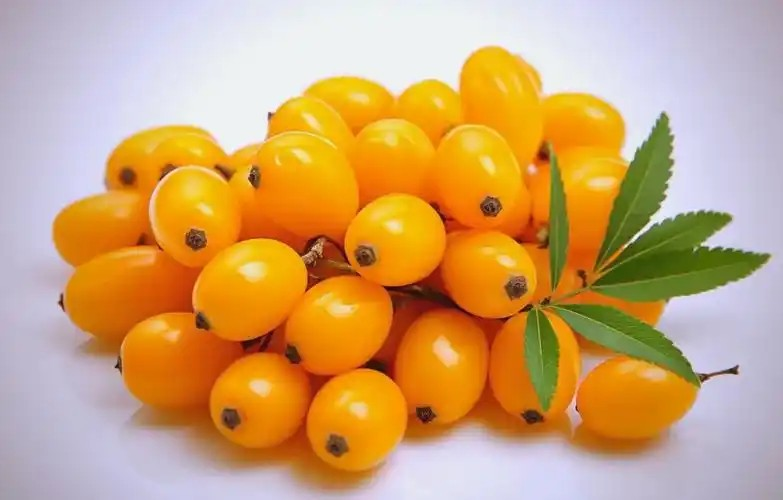
Sea BuckthornSea buckthorn is a plant. The leaves, flowers, seeds, and fruits are used to make medicine.Sea buckthorn is used for heart health, skin conditions, swelling (inflammation), and other conditions
Sea buckthorn is a plant. The leaves, flowers, seeds, and fruits are used to make medicine.
Sea buckthorn is used for heart health, skin conditions, swelling (inflammation), and other conditions, but there is no good scientific evidence to support any of these uses.
In foods, sea buckthorn berries are used to make jellies, juices, purees, and sauces.
In manufacturing, sea buckthorn is used in cosmetics and anti-aging products.
How does it work ?
Sea buckthorn contains vitamins A, B1, B2, B6, C, and other active ingredients. It might have some activity against stomach and intestinal ulcers, and heartburn symptoms.
Perilla oil, Perilla Seed Oil is obtained from the seeds of a species of plant in the mint family called Perilla frutescens. The perilla plant is native to Southeast Asia and India and has been used medicinally in China for thousands of years.
Perilla oil is very popular as it is a vegetarian source of essential omega-3 polyunsaturated fatty acids. Fatty acids are considered essential because they cannot be produced by the body and must be obtained through diet. The main omega-3 fatty acid in perilla oil is alpha-linolenic acid, which is high to 60-75% of the oil.
The alpha-linolenic acid in perilla oil can be converted into other long chain omega-3 fatty acids such as EPA and DHA, which are very important for body health.
Components of Perilla Oil
Perilla oil contains a wide variety of beneficial phytochemicals and compounds. The main compounds are:
Essential oils
Fatty acids
Flavonoids and triterpenes
Phenolic compounds/polyphenols
Policosanols
Essential Oils of Perilla oil
Perilla seeds contain many essential oils, such as p-Cymene, beta-caryophyllene, and alpha- farnesene. The leaves and stems contain essential oils, as well, like limonene and eucalyptol, among others.
Fatty Acids
Perilla oil is mostly composed of fatty acids:
Alpha-linolenic acid (omega-3 essential polyunsaturated fatty acid)
Lauric acid (saturated fatty acid)
Linoleic acid (omega-6 polyunsaturated essential fatty acid)
Oleic acid (omega-9 monounsaturated fatty acid)
Palmitic acid (saturated fatty acid)
Stearic acid (saturated fatty acid)
Perilla oil is a good source of omega-3 polyunsaturated fatty acids since 60-75% of it is alpha-linolenic acid. alpha-linolenic acid is a plant-derived omega-3 fatty acid, similar as EPA (eicosapentaenoic acid) and DHA (docosahexaenoic acid) .
Polyphenols
Extracts of perilla contain compounds like anthocyanins, triterpenes, and flavonoids .
This charpter is to list Questions of Arachidonic Acid.Rishon supply Arachidonic Acid(CAS:506-32-1),include oil and powder.Arachidonic acid is made from Mortierella alpina.
This charpter is to list Questions of Arachidonic Acid.Rishon supply Arachidonic Acid(CAS:506-32-1),include oil and powder.Arachidonic acid is made from Mortierella alpina.
Below are the questions of arachionic acid
1.What does arachidonic acid do in the body?
Arachidonic acid is important because the human body uses it as a starting material in the synthesis of two kinds of essential substances, the prostaglandins and the leukotrienes, both of which are also unsaturated carboxylic acids.
2. What foods are high in arachidonic acid?
Arachidonic acid is found in animal products, like poultry and eggs. The amount of arachidonic acid found in just one egg a day elevated arachidonic acid levels in the bloodstream, Japanese researchers learned.
3. What is synthesized from arachidonic acid?
The most important protaglandin precursor is arachidonic acid. Arachidonic acid is an essential fatty acid and is also synthesized from dietarily essential linoleic acid. Essential Fatty Acids: Linoleic, a-Linolenic and Arachidonic acids.
4. Where is arachidonic acid stored in the body?
Arachidonic acid is naturally found incorporated in the structural phospholipids in the cell membrane in the body or stored within lipid bodies in immune cells . It is particularly abundant in skeletal muscle, brain, liver, spleen and retina phospholipids .
5. How Is arachidonic acid?
Arachidonic acid is an essential fatty acid, which is consumed in small amounts in our regular diets. It is considered an essential fatty acid because it is an absolute requirement for the proper functioning for the human body.
6. What is arachidonic acid good for?
Arachidonic acid benefits and side effects. Arachidonic acid is a fatty acid most commonly found in peanut oil that is responsible for muscle tissue inflammation. Arachidonic acid leads to an increase in the production of eicosanoids that help raise immunity and inflammatory responses in your body.
7. Is arachidonic acid inflammatory?
Arachidonic acid is a polyunsaturated fatty acid covalently bound in esterified form in the cell membranes of most body cells. Following irritation or injury, arachidonic acid is released and oxygenated by enzyme systems leading to the formation of an important group of inflammatory mediators, the eicosanoids.
8. Is arachidonic acid essential?
Arachidonic acid is a polyunsaturated fatty acid with four cis double bonds, which are the sources of its flexibility and give it the capacity to react with molecular oxygen. Arachidonic acid is an omega-6 fatty acid. It is one of the essential fatty acids that our body cannot manufacture.
9. What is the role of arachidonic acid?
Dietary arachidonic acid and inflammation Arachidonic acid is also metabolized to inflammatory and anti-inflammatory eicosanoids during and after physical activity to promote growth. Arachidonic acid does still play a central role in inflammation related to injury and many diseased states.
10. Does milk contain arachidonic acid?
Arachidonic acid (AA, 20:4n-6) is one of the important polyunsaturated fatty acids (PUFAs) that forms an important constituent of cell membranes. Human milk contains significant amounts and cow's milk small amounts of Arachidonic acid AA. Meat, egg yolks, some seaweeds, and some shrimps also contain Arachidonic acid.
11. Which enzymes will produce arachidonic acid?
Once formed, arachidonic acid can be converted to any of the eicosanoids (Figure 3-36). Cyclooxygenase is an enzyme that transforms arachidonic acid into endoperoxides which are used to synthesize prostaglandins, prostacyclin, or thromboxanes.
12. Is arachidonic acid an Omega 3?
Other serum omega-6 fatty acids, such as arachidonic acid, gamma-linolenic acid or dihomo-y-linolenic acid, were not associated with CRP levels. Clinical trials have shown that even a very high intake of linoleic acid does not increase inflammatory responses, nor has a significant impact on arachidonic acid levels.
13. What foods are high in omega 6?
What foods contain omega-3 and omega-6 fats? fatty fish like salmon, mackerel, anchovies, sardines, arctic char and trout.
eggs (including omega-3 enriched)
flaxseeds and flaxseed oil.
walnuts.
soybeans.
tofu.
canola oil.
fortified foods like some margarines, juices and yogurts.
14. What is arachidonic acid good for?
Arachidonic acid benefits and side effects. Arachidonic acid is a fatty acid most commonly found in peanut oil that is responsible for muscle tissue inflammation. ... Arachidonic acid leads to an increase in the production of eicosanoids that help raise immunity and inflammatory responses in your body.
This is to list 12 health benefits of docosahexaenoic acid.Rishon supply Docosahexaenoic acid (CAS:6217-54-5),algae Docosahexaenoic Acid,algal Docosahexaenoic Acid,include oil and powder.Docosahexaenoic Acid is a omega-3 polyunsturated essential fatty acids that our body cannot manufacture enough.
This is to list 12 health benefits of docosahexaenoic acid.Rishon supply Docosahexaenoic acid (CAS:6217-54-5),algae Docosahexaenoic Acid,algal Docosahexaenoic Acid,include oil and powder.Docosahexaenoic Acid is a omega-3 polyunsturated essential fatty acids that our body cannot manufacture enough.
Here below are the 12 Health Benefit of Docosahexaenoic Acid (DHA).
Docosahexaenoic acid, or DHA, is a type of omega-3 fatty acid. This charpter is to explore benefit of docosahexaenoic acid (DHA). Like the omega-3 fatty acid eicosapentaenoic acid (EPA), docosahexaenoic acid is found in fish and algae. Your body can only make a small amount of docosahexaenoic acid from other fatty acids (mostly alpha linolenic acid), so you need to consume it directly from diet or a supplement. Together, Docosahexaenoic acid and EPA may help reduce inflammation and your risk of chronic diseases, such as heart disease. On its own, Docosahexaenoic acid supports brain function and eye health.
Health Benefit of Docosahexaenoic Acid
Reduces Heart Disease Risk
Nowadays, the omega-3 fatty acids are commonly recommended for people heart health.
The studies that test Docosahexaenoic acid alone suggest that it may be more effective than Eicosapentaenoic Acid (EPA) for improving several markers of heart health. In one study in 154 obese adults, daily doses of 2,700 mg of Docosahexaenoic acid for 10 weeks increased the omega-3 index – a blood marker of omega-3 levels that’s linked to a reduced risk of sudden heart-related death – by 5.6% .The same daily dose of EPA increased the omega-3 index of the same participants by only 3.3%. Docosahexaenoic acid also decreased blood triglycerides more than EPA – 13.3% versus 11.9% – and increased “good” HDL cholesterol by 7.6% compared to a slight decrease for EPA. Notably, Docosahexaenoic acid tends to increase “bad” LDL cholesterol levels but mainly the number of large, fluffy LDL particles, which – unlike small, dense LDL particles – aren’t linked to increased heart disease risk .
Both Docosahexaenoic acid and EPA support heart health, Docosahexaenoic acid may be more effective at increasing your omega-3 index, decreasing triglycerides and improving your cholesterol profile.
DHA May Improve ADHD
Attention Deficit Hyperactivity Disorder (ADHD) – characterized by impulsive behaviors and difficulty concentrating – generally starts in childhood but often continues into adulthood. As the main omega-3 fat in your brain,Docosahexaenoic acid helps increase blood flow during mental tasks. Research has shown the benefit of docosahexaenoic acid, states that children and adults with ADHD commonly have lower blood levels of Docosahexaenoic acid.
In a recent review, seven of nine studies that tested the effects of Docosahexaenoic acid supplements in children with ADHD showed some improvement – such as with regard to attention or behavior. For example, in a large 16-week study in 362 children, those taking 600 mg of Docosahexaenoic acid daily had an 8% decrease in impulsive behaviors as rated by their parents – which was twice the decrease observed in the placebo group. In another 16-week study in 40 boys with ADHD, 650 mg each of Docosahexaenoic acid and EPA daily alongside the children’s usual ADHD medication resulted in a 15% decrease in attention problems, compared to a 15% increase in the placebo group. This shows the benefit of docosahexaenoic acid.
Children and adults with ADHD commonly have lower blood levels of Docosahexaenoic acid, which plays a key role in brain function. The majority of studies testing the effects of Docosahexaenoic acid supplements in children with ADHD have shown benefits to behavior or attention.
DHA Reduces the Risk of Early Preterm Births.
Delivering a baby before 34 weeks of pregnancy is considered an early preterm birth and increases the baby’s risk of health problems.
An analysis of two large studies found that women consuming 600-800 mg of Docosahexaenoic Acid daily, during pregnancy, reduced risk of early preterm birth by more than 40% & 64%, compared to those taking a placebo. Thus, it’s especially important to make sure you’re getting sufficient amounts of Docosahexaenoic acid when you’re pregnant – either through diet, supplements or both.
By knowing benefit of docosahexaenoic acid, taking 600-800 mg of Docosahexaenoic acid daily during pregnancy could significantly reduce your risk of early preterm birth.
Fights Inflammation
Omega-3 fatty acids such as Docosahexaenoic acid have anti-inflammatory effects. Increasing your Docosahexaenoic acid intake can help balance the excess of inflammatory omega-6 fatty acids. Docosahexaenoic acid’s anti-inflammatory properties may reduce your risk of chronic diseases that are common with age, such as heart and gum disease, and improve autoimmune conditions like rheumatoid arthritis, which causes joint pain. For example, in a 10-week study in 38 people with rheumatoid arthritis, 2,100 mg of Docosahexaenoic acid daily decreased the number of swollen joints by 28%, compared to a placebo. Though previous studies had shown the supplements combining Docosahexaenoic acid and EPA helped improve rheumatoid arthritis symptoms, this study was the first to show the benefit of Docosahexaenoic acid by indicating that Docosahexaenoic acid alone could reduce inflammation and ease symptoms.
So, Increasing Docosahexaenoic acid intake may help reduce inflammation and balance the excess of inflammatory omega-6 fatty acids in diets. So, Docosahexaenoic acid may help counteract symptoms of conditions like rheumatoid arthritis and heart disease.
DHA Supports Muscle Recovery After Exercise
As known, strenuous exercise can trigger muscle inflammation and soreness. As another benefit of Docosahexaenoic acid, Docosahexaenoic acid, alone or incombination with EPA, may help reduce muscle soreness and limitations in range of motion after exercise, partly due to its anti-inflammatory effects . In one study, 27 women taking 3,000 mg of Docosahexaenoic acid daily for a week had 23% less muscle soreness after doing bicep curls than the placebo group. Similarly, when 24 men supplemented with 260 mg of Docosahexaenoic acid and 600 mg of EPA daily for eight weeks, they had no decrease in their range of motion after an elbow-strengthening exercise, whereas men in the placebo group saw an 18% decrease.
Docosahexaenoic acid, alone or combined with EPA, may help reduce muscle soreness and limitations in range of motion after exercise, partly due to its anti-inflammatory effects.
DHA Helps Some Eye Conditions
It’s uncertain whether Docosahexaenoic acid and other omega-3 fats help age-related macular degeneration (AMD) as once thought, but they may improve dry eyes and diabetic eye disease (retinopathy). What’s more, two recent studies suggest that Docosahexaenoic acid may decrease contact lens discomfort and glaucoma risk. In one 12-week study in contact lens wearers, 600 mg of Docosahexaenoic acid and 900 mg of EPA daily improved eye discomfort by 42% – which was similar to improvements noticed with corticosteroid eye drops . Additionally, 500 mg of Docosahexaenoic acid and 1,000 mg of EPA daily for three months decreased eye pressure in healthy people by 8%. Elevated eye pressure is a risk factor for glaucoma, a disease that gradually erodes vision .
Another benefit of Docosahexaenoic acid is: Docosahexaenoic acid may improve certain eye conditions, including dry eyes and diabetic retinopathy. It may also decrease contact lens discomfort and reduce eye pressure, a risk factor for glaucoma.
May Reduce Your Risk of Certain Cancers
Chronic inflammation is a risk factor for cancer. Higher intake of omega-3 fatty acids such as Docosahexaenoic acid has been linked to a lower risk of several cancers, including colorectal, pancreatic, breast and prostate cancer. Docosahexaenoic acid may help reduce cancer risk through its anti-inflammatory effects. Cell studies also show that it may inhibit cancer cell growth . Additionally, a small number of studies suggest that Docosahexaenoic acid may improve chemotherapy benefits. However, these tests are experimental, and scientists are working to understand how Docosahexaenoic acid may help. Studies indicate that Docosahexaenoic acid may improve the effectiveness of anticancer drugs and fight cancer cells, but further research is needed.
Higher intake of omega-3 essential fatty acids such as Docosahexaenoic acid has been linked to a lower risk of several cancers, including colorectal, breast and prostate cancer. Preliminary studies suggest that Docosahexaenoic acid may improve chemotherapy benefits, but more research is needed.
DHA May Help Prevent or Slow Alzheimer’s Disease
Docosahexaenoic acid is the main omega-3 fatty acid in your brain and essential for a functional nervous system, which includes your brain.Studies have shown that people with Alzheimer’s disease have lower levels of Docosahexaenoic acid in their brains than older adults with good brain function . Additionally, in a review of 20 observational studies, higher intake of omega-3 fatty acids was linked to a reduced risk of declining mental ability – a characteristic of different types of dementia, including Alzheimer’s disease – in all but three studies . However, in 13 studies that tested the effects of omega-3 supplements in people with dementia, eight showed a benefit for mental ability while five didn’t. The evidence shows the benefit of docosahexaenoic acid and suggests that Docosahexaenoic acid and other omega-3 fatty acids may be most beneficial before brain function significantly declines and interferes with daily activities.
Docosahexaenoic acid is important for brain function, and higher omega-3 intake may reduce your risk of types of dementia like Alzheimer’s. It’s unclear whether Docosahexaenoic acid can slow Alzheimer’s progression, but success may be more likely if you begin supplementing early as possible.
DHA Lowers Blood Pressure and Supports Circulation
Docosahexaenoic acid supports good blood flow, or circulation, and may improve endothelial function – the ability of your blood vessels to dilate . A review of 20 studies found that Docosahexaenoic acid and EPA may also help lower blood pressure, though each specific fatty acid may affect different aspects. Docosahexaenoic acid reduces diastolic blood pressure (the bottom number of a reading) an average of 3.1 mmHg, while EPA reduced systolic blood pressure (the top number of a reading) an average of 3.8 mmHg. Though elevated systolic blood pressure is a greater risk factor for heart disease than diastolic pressure for people over 50, elevated diastolic blood pressure also increases your risk of heart attack and stroke .
Docosahexaenoic acid may support the proper functioning of your arteries, improve blood flow and lower blood pressure. This benefit of docosahexaenoic acid may help reduce heart attack and stroke risk.
Aids Normal Brain and Eye Development in Babies
Docosahexaenoic acid is essential for brain and eye development in babies. These organs grow rapidly during a woman’s last trimester of pregnancy and the first few years of life . Therefore, it’s important for women to get enough docosahexaenoic acid during pregnancy and while breastfeeding . In a study in 82 babies, the mothers’ docosahexaenoic acid levels before childbirth accounted for 33% of the difference in the child’s problem-solving ability at age one, suggesting a link between higher docosahexaenoic acid levels in mothers and better problem-solving in their children. Notably, preterm babies have higher Docosahexaenoic acid needs since the majority of this fatty acid is attained during the third trimester . In a study in 31 preterm babies, daily doses of 55 mg per pound (120 mg per kg) of docosahexaenoic acid for one month after birth prevented the drop in Docosahexaenoic acid typically seen after preterm birth, compared to a placebo.
Docosahexaenoic acid is important for a baby’s brain and eye development. A mom’s Docosahexaenoic acid is passed to her infant during pregnancy – especially during the third trimester – as well as through breast milk. Babies born preterm may benefit from supplemental docosahexaenoic acid, Moms should know the benefit of docosahexaenoic acid.
Supports Men’s Reproductive Health
Almost 50% of infertility cases are due to factors in men’s reproductive health, and dietary fattty acid intake has been shown to affect sperm health. In fact, low docosahexaenoic acid status is the most common cause of low-quality sperm and frequently found in men with subfertility or infertility problems . Getting adequate docosahexaenoic acid supports both the vitality percentage of live, healthy sperm (in semen) and motility of sperm, which impacts fertility .
as the benefit of docosahexaenoic acid, Without enough docosahexaenoic acid, sperm health and motility are compromised, which can reduce a man’s fertility.
May Help Protect Mental Health
As a benefit of docosahexaenoic acid, getting adequate amounts of docosahexaenoic acid and EPA is associated with a reduced risk of depression . In a study in about 22,000 adults in Norway, those who reported taking cod liver oil daily – which supplied 300-600 mg each of Docosahexaenoic acid and EPA – were 30% less likely to have symptoms of depression than those who didn’t. While this study does not prove cause and effect, other research suggests ways in which Docosahexaenoic acid and EPA may reduce depression risk. Docosahexaenoic acid and EPA aid serotonin, a nerve messenger which can help balance your mood. The anti-inflammatory effects of these omega-3 fatty acids on nerve cells may reduce depression risk as well.
Adequate Docosahexaenoic acid and EPA levels are linked to a reduced risk of depression. These fats support serotonin – a nerve messenger that helps balance your mood. Plus, they have anti-inflammatory effects on nerve cells, which may reduce depression risk as well.
What does lutein do for your eyes?
What does lutein do for your eyes? Many people think of lutein as "the eye vitamin." They use it to prevent eye diseases including age-related macular degeneration (AMD), cataracts,and retinitis pigmentosa. Some people also use it for preventing colon cancer, breast cancer, type 2 diabetes, and heart disease. Many multivitamins contain lutein.
What does lutein do for your eyes? Many people think of lutein as "the eye vitamin." They use it to prevent
eye diseases including age-related macular degeneration (AMD), cataracts,
and retinitis pigmentosa. Some people also use it for preventing colon
cancer, breast cancer, type 2 diabetes, and heart disease. Many multivitamins contain lutein.
What fruits and vegetables contain lutein and zeaxanthin? Substantial amounts of lutein and zeaxanthin (30–50%) were also present in kiwi fruit, grapes, spinach, orange juice, zucchini (or vegetable marrow), and different kinds of squash. The results show that there are fruits and vegetables of various colours with a relatively high content of lutein and zeaxanthin.
What fruits and vegetables contain lutein and zeaxanthin? Substantial amounts of lutein and zeaxanthin (30–50%) were also present
in kiwi fruit, grapes, spinach, orange juice, zucchini (or vegetable marrow), and different kinds of squash. The results show that there are
fruits and vegetables of various colours with a relatively high content of lutein and zeaxanthin.
Our MOQ varies by product. Most products start at 100-200 pieces per model. For mixed containers or mixed models, please contact us for a custom quote.
We accept T/T (Telegraphic Transfer), L/C, and PayPal for small orders. For regular clients, we offer flexible payment terms such as 30% deposit, 70% against BL copy.
We ship via FOB, CIF, DDP, and EXW. Our standard terms are FOB Shenzhen or CIF your port. We work with major shipping lines including Maersk, MSC, and COSCO.
Yes, we offer full OEM/ODM services including logo printing, custom packaging design, and color box customization. Tooling fees may apply for new molds.
Standard orders take 15-25 days after deposit confirmation. Customized orders may take 30-45 days depending on complexity. Rush orders are available with additional fees.
Yes, sample orders are available. Sample cost + shipping will be charged. Sample cost is refundable upon bulk order. Sample lead time is 5-7 working days.
Our products comply with CE, FCC, RoHS, and REACH standards. We also assist clients with country-specific certifications such as UL (USA), PSE (Japan), and CCC (China).
Yes, we have extensive experience shipping to Amazon FBA centers globally. We provide barcode labels, multi-pack options, and door-to-door delivery services.